
Every June 5th, the world pauses to acknowledge something that should be self-evident: the planet we inhabit has limits. World Environment Day, led by the United Nations Environment Programme (UNEP), is an opportunity to bring the most urgent environmental challenges onto the agenda and call for collective action.
This year, at Agua Segura, we want to address a connection that often goes unnoticed: the relationship between plastics and the water crisis. A relationship that is not metaphorical. It is chemical, ecosystemic and deeply territorial.
Plastic Does Not Disappear. It Fragments and Reaches Our Water
When plastic is not properly managed, it does not disappear. It breaks down into increasingly smaller particles — known as microplastics — which end up in rivers, watersheds, aquifers and oceans. According to UNEP data, between 9 and 14 million tons of plastic enter the ocean every year. But the problem does not begin or end at sea.
Microplastics have been found in drinking water sources, agricultural soils, fish tissue and human blood. They affect aquatic biodiversity, disrupt the natural cycles of ecosystems and compromise the water quality that entire communities depend on to live, produce and develop.
The plastic crisis and the water crisis are not two separate problems. They are two symptoms of the same model of production and consumption that ignores the natural limits of the planet.
Water Security and Biodiversity: An Interdependent System
At Agua Segura we work with this reality on the ground every day. We know that water security cannot be guaranteed by infrastructure alone. It depends on healthy ecosystems, functional watersheds, soils with strong infiltration capacity and communities with the ability to care for and manage the resource.
When ecosystems become contaminated — by plastics, agrochemicals or industrial waste — that chain breaks down. Wetlands lose their retention capacity. Degraded soils no longer filter as they once did. Communities that depend on surface or groundwater sources become vulnerable.
That is why talking about the environment on June 5th also means talking about water. And talking about water means talking about the natural systems that sustain it: forests, wetlands, soils, rivers and aquifers. All of them threatened, among other things, by plastic pollution.
What Can Companies Do?
Organizations have a role that cannot be delegated. Not only because plastic and water are part of their value chains, but because they have the capacity to scale solutions that reach far beyond their own operations.
This year, together with Unplastify, we developed a series of special proposals for corporate teams looking to engage with this agenda in a concrete, meaningful and transformative way:
Inspirational talk: a awareness session on the impact of plastics on water, nature and communities. Ideal for building internal awareness and opening sustainability conversations within teams.
Solutions design workshop: a participatory session to co-create concrete responses to plastic and water challenges. An activity that combines creativity, collaboration and purpose.
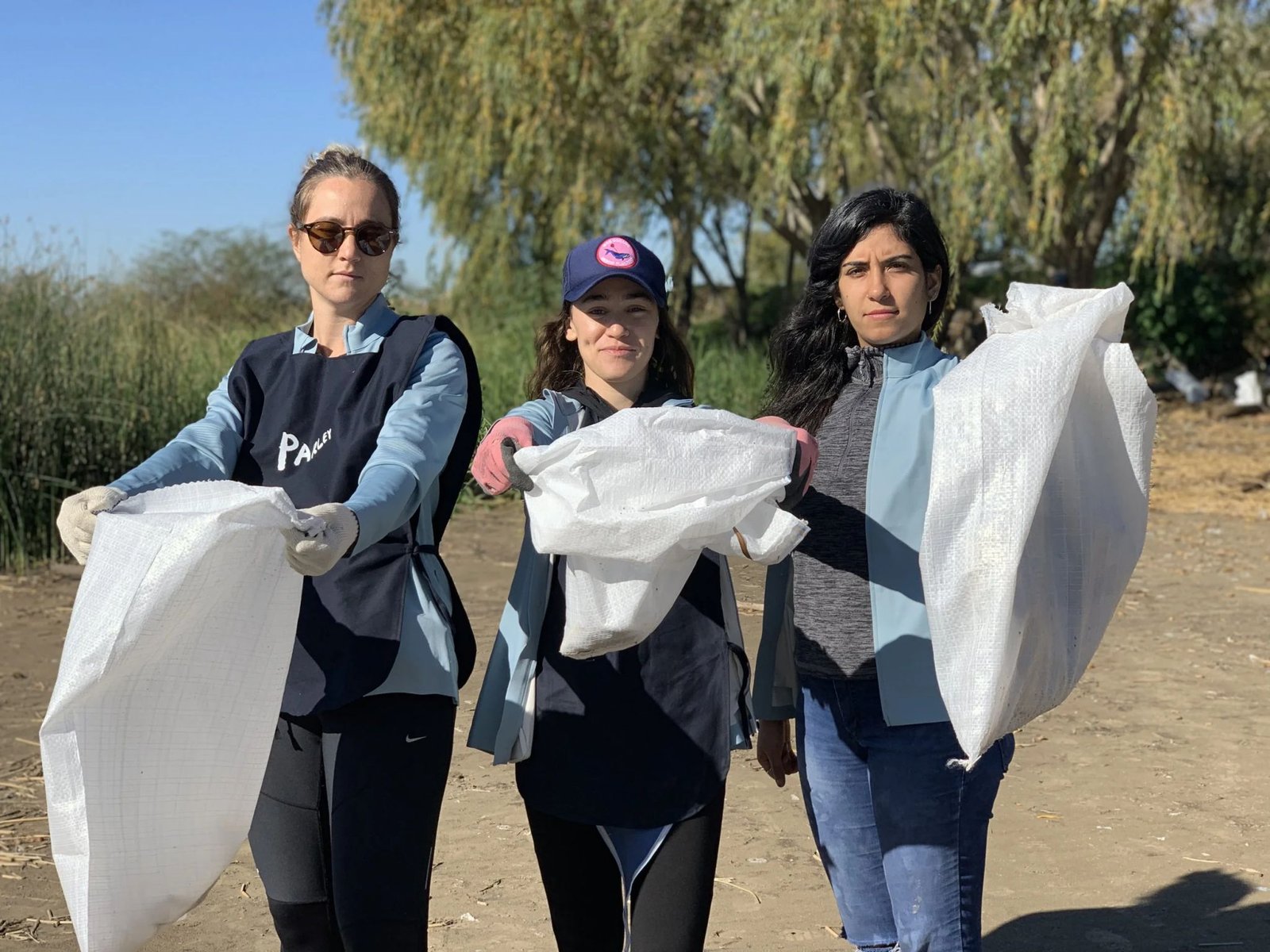
Clean-up day: a collective action experience in contact with urban nature. Because change is also built with your hands.
These proposals are not just team-building activities. They are opportunities for organizations to integrate the environmental agenda from within — with teams that understand the problem, commit to solutions and build a culture of sustainability.
June 5th Is a Date. The Commitment Is Permanent
World Environment Day serves an important purpose: it makes the crisis visible. But the environmental crisis has no expiration date and cannot be resolved with a single awareness event. It requires strategic decisions, sustained investment and the willingness to change production and consumption models that have decades of inertia behind them.
At Agua Segura we believe that companies that understand this have a real competitive advantage: they build resilience before scarcity forces them to. They design solutions before regulators require them. They generate value for their territory before social conflict demands it.
Plastic in water is not just an environmental problem. It is an indicator of how an organization relates to the ecosystem it depends on. And changing that is possible, measurable and necessary.
Does Your Company Want to Activate Environment Day With Real Impact?
Together with Unplastify we design tailored proposals for teams that want to go beyond communication and connect with concrete environmental action. Talks, workshops and clean-up days designed to generate awareness, creativity and commitment.
If you are interested in exploring how we can support your organization this June 5th — and beyond — reach out to coordinate a call. We are here to help you design a water and environmental impact strategy that makes sense for your company and your territory.
Contact us at aguasegura.com and let’s talk.